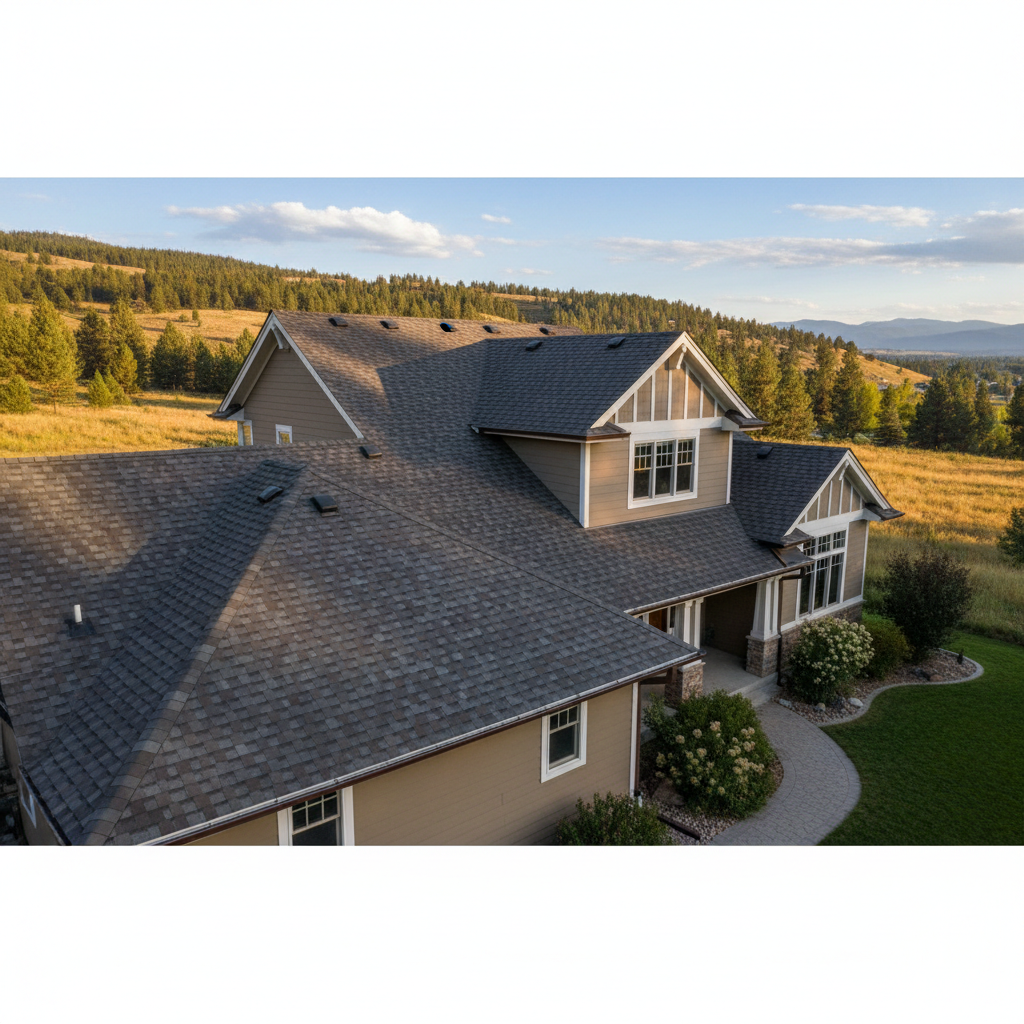
So, you're thinking about a new roof. Maybe your old one's looking a bit worn out, or you've just had one too many leaks. It's a big investment, probably one of the biggest home projects you'll ever tackle. And because it's such a huge deal, folks often make some pretty common blunders. These can lead to headaches, extra costs, and, frankly, just plain regret later on. I've been doing this a long time here in Missoula, and trust me, I've seen it all. Let's chat about what you should really watch out for.
Ignoring the Underlayment and Ventilation
This is a huge one, and people often miss it because it's not the pretty part you actually see. Everyone focuses on the shingles – the color, the style – but they forget about what's underneath. Your underlayment is your main water barrier. It's the last line of defense if a shingle gets blown off or damaged. Skimping here, or letting a contractor use cheap, flimsy stuff, is just asking for trouble. Especially with our freeze-thaw cycles and heavy snow loads in winter, a good synthetic underlayment isn't just nice to have; it's absolutely crucial. It protects your decking and keeps water out.
Then there's ventilation. You wouldn't believe how many homes I see, particularly older ones in spots like the Rattlesnake, that have truly terrible attic ventilation. Without proper airflow, heat and moisture just build up in your attic. This doesn't just make your house hotter in the summer and colder in the winter (which, by the way, costs you a fortune on energy bills); it also cooks your shingles from the inside out. Plus, it can lead to mold and rot in your attic structure. A good roofer will check out your current ventilation and suggest improvements, whether that means adding soffit vents, ridge vents, or power vents. If they don't even bring it up? That's a red flag.
Falling for the Lowest Bid – Every Time
Look, I get it. Money matters. Everybody wants a good deal. But when it comes to a roof, the absolute cheapest bid is almost never the best one. I've seen too many homeowners go with the lowest price only to find out later that the contractor cut corners, used inferior materials, or didn't pull the right permits. Sometimes, those 'too good to be true' prices come from fly-by-night operations that vanish as soon as there's a problem. A reputable company like Top Line Roofing Missoula has overhead – insurance, skilled crews, quality materials, warranties. Those things cost money, yes, but they also protect you.
It's not about paying the most; it's about paying for value. Get multiple quotes, absolutely. But compare them carefully. What materials are they actually specifying? What kind of warranty do they offer? Are they licensed and insured? Ask for references. A legitimate contractor won't have a problem providing them, you know?
Not Understanding the Scope of Work (and the Contract)
This really ties into the last point. You need to know exactly what you're paying for. A vague contract is a bad contract. Does the quote include tearing off the old roof? What about disposal? And flashing around chimneys and vents? Are they replacing damaged decking, and if so, how is that priced? Is it per sheet, or included up to a certain amount? What kind of ice and water shield are they using, and where? Here in Missoula, we always recommend it at the eaves and in valleys, at a minimum, because of our heavy snow and the potential for ice dams.
Don't be afraid to ask questions until you understand every single line item. A good contractor will take the time to explain it all to you. If they rush you or get annoyed by your questions, that's another sign to be wary. You're making a big decision for your home; you have every right to be fully informed.
Neglecting Manufacturer Warranties and Installation Requirements
Most quality roofing materials come with a manufacturer's warranty. That's great, but it's only valid if the product is installed correctly, following the manufacturer's specifications. If your roofer doesn't stick to those guidelines – maybe they're using fewer nails per shingle, or not installing proper starter strips – you could void that warranty without even realizing it. Then, if there's a product defect down the road, you're just out of luck. Make sure your chosen contractor is familiar with and adheres to the installation requirements for the specific shingles or roofing system you've picked. Ask them about it. A professional will be certified or at least highly knowledgeable about the products they install.
Waiting Until It's an Emergency
This is a classic, isn't it? People put off roof repairs or replacement until they've got water pouring into their living room during a spring thaw. When you're in an emergency, you're desperate, and that's when you're most vulnerable to making bad decisions. You might just grab the first contractor available, regardless of their reputation or price, just to stop the immediate problem. Planning ahead, getting inspections, and addressing issues before they become disasters will save you stress, money, and potential damage to the rest of your home. A proactive approach is always better than a reactive one when it comes to your roof.