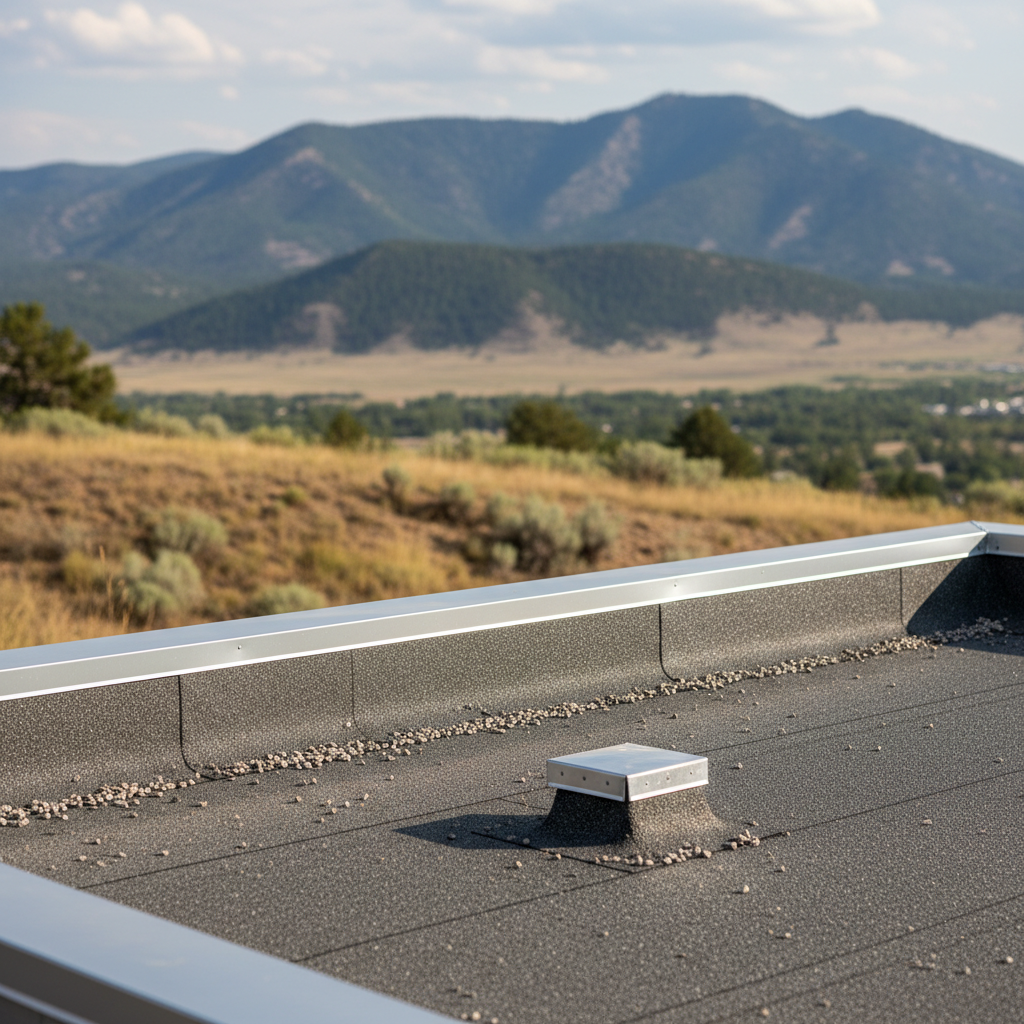
Understanding Your Flat Roof
Flat roofs, or "low-slope" roofs as we often call them in the business, are pretty common here in Missoula. You'll see them a lot on commercial buildings, garages, and even some newer homes. Now, they aren't actually flat; they've got a slight pitch, usually about 1/4 inch per foot. This little slope makes sure water drains off. If they were truly flat, you'd end up with a swimming pool on your roof every time it rained or snow melted, and that's just asking for trouble.
The main types you'll probably come across are TPO, EPDM (that's the rubber kind), and modified bitumen, which folks often just call 'mod bit.' Each one has its own quirks, sure, but they all share one critical job: keeping water out. Unlike a steep-slope shingle roof where water just zips right off, flat roofs hold water longer. That's why proper installation and regular maintenance are so important.
Before the Project: What You Can Do
Thinking about a new flat roof or maybe a big repair? Hold on a second. Don't just dive in. You've got some homework ahead of you, and honestly, you can tackle a good chunk of it yourself.
Inspect Regularly: Get up there a couple times a year. This is especially important after our heavy Missoula snows finally melt or following a big windstorm. Look for standing water, cracks, blisters, punctures, or seams that have pulled apart. Pay extra close attention around vents, skylights, and those parapet walls. If you spot water pooling for more than 48 hours, consider that a major red flag. Oh, and clear off any debris like leaves or pine needles that could block the drains.
Check Your Drains: Make sure your scuppers and internal drains are clear. A clogged drain is, hands down, the quickest way to turn a small issue into a major leak. Usually, you can clear minor blockages yourself with a broom or even just your hands.
Understand Your Warranty: If your roof is still under warranty, go read it. Some warranties, believe it or not, become void if you try certain repairs yourself or if an unauthorized contractor works on it. Knowing this upfront can save you a massive headache later on.
Research Materials: Take some time to look into the different flat roofing materials. TPO is pretty popular because it's energy-efficient. EPDM is known for being durable and usually doesn't break the bank. Mod bit? That stuff's tough. Knowing the pros and cons of each will help you ask smarter questions when you finally chat with a pro.
During the Project: When to Call a Pro
Alright, you've done your homework. You've found a problem that's more than just clearing some leaves. This is the point where you really need to be honest with yourself about what you can realistically handle. For most flat roof repairs or even full replacements, you're going to need a professional.
Major Repairs: If you're seeing significant cracking, big blisters, or widespread seam separation, that's definitely a job for a pro. Patching a small hole might seem simple enough, but making sure it's truly watertight and will actually last? That's tricky. You really don't want to accidentally create a bigger problem down the line.
Full Replacement: This is a big undertaking. Tearing off an old flat roof, preparing the deck, installing insulation, and then laying down a new membrane — all of that requires specialized tools, specific training, and real experience. It's just not a DIY project. Getting the slope just right, properly adhering the membrane, and sealing all the penetrations are absolutely critical for preventing leaks. One mistake, and you'll be dealing with water damage inside your home, which, let's be real, is way more expensive than hiring a good roofer from the start.
Safety First: Working on a flat roof, especially a larger one, can be dangerous. Falls are a very real risk. Professionals have the right safety equipment and training to minimize these hazards. Please, don't risk a serious injury just to save a few bucks.
Permits and Codes: Here in Missoula, major roof work often needs permits and has to meet local building codes. A reputable roofing company, like Top Line Roofing Missoula, knows these codes inside and out and will handle the permit process for you. Easy peasy.
After the Project: Ongoing Care
So, the new roof is on, or that big repair is finally done. Great! But your job isn't quite finished. Ongoing maintenance is absolutely essential if you want to get the most out of your investment.
Continue Inspections: Just because it's new doesn't mean you stop looking at it. Keep up with those twice-a-year inspections. Catching a small issue early — like a loose seam or a new puncture from a falling branch — can save you from a major leak down the road.
Keep it Clean: Regularly clear off leaves, dirt, and other debris. Especially in areas like the Rattlesnake or Pattee Canyon, where we've got tons of trees, debris can pile up fast and block drainage, leading to standing water.
Don't Walk on it Unnecessarily: Every single time you walk on your flat roof, you're putting stress on the membrane. If you absolutely need to access it, wear soft-soled shoes and be super mindful of where you step. And please, avoid dragging tools or heavy objects across the surface.
Address Issues Promptly: If you spot a problem, don't put it off. A small crack can quickly turn into a big leak during our spring thaws. Call your roofer for advice or a repair as soon as you notice something's off. Seriously, don't wait.
Professional Check-ups: Even with your regular inspections, it's still a good idea to have a professional roofer do an annual or even a bi-annual check-up. They can spot subtle issues you might miss and perform preventative maintenance that will really extend the life of your roof.
Flat roofs are fantastic when they're installed correctly and maintained properly. They offer great space for HVAC units or even rooftop decks. But they do demand attention. Know what you can handle, and don't hesitate to call in the experts when the job gets bigger than a simple clean-up. Your home will definitely thank you for it.