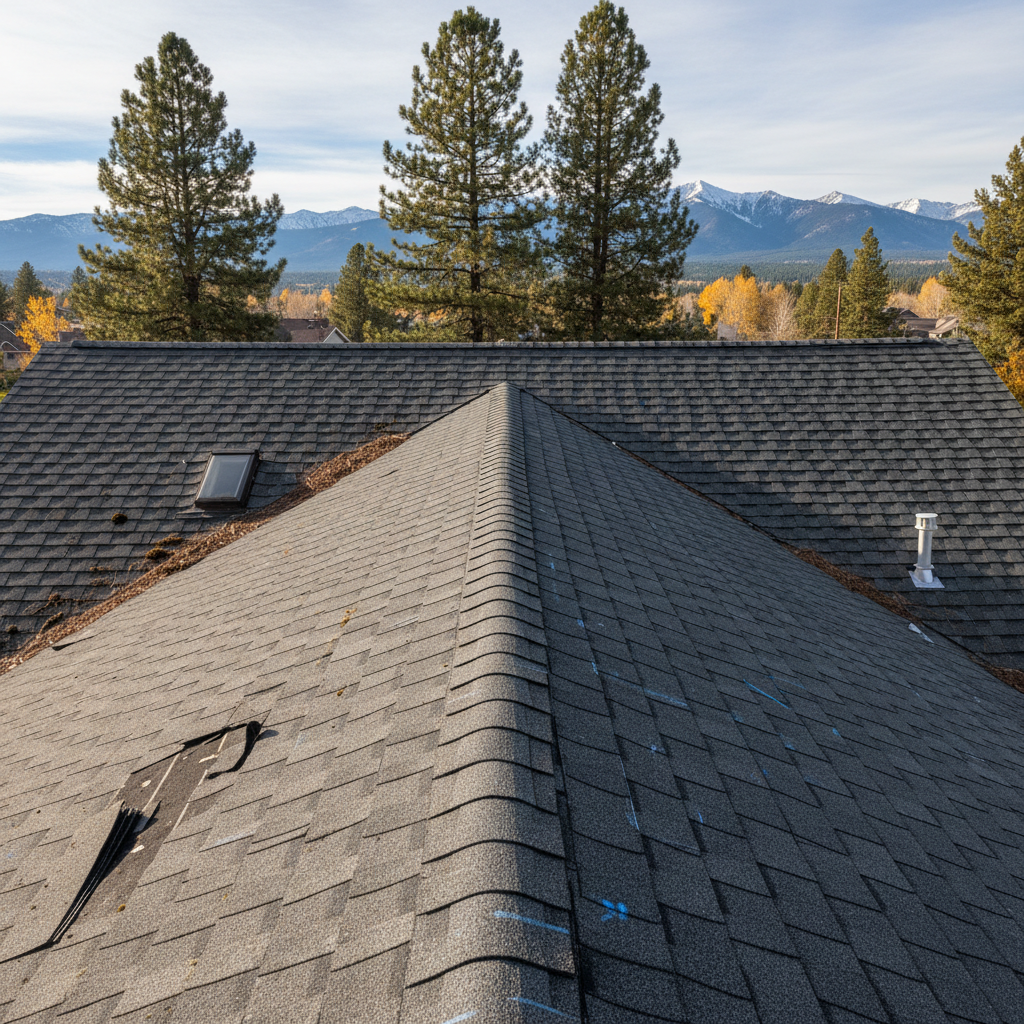
So, your roof needs a look-over. Maybe you've got a drip, or you're just being smart after one of our wild Missoula winters. The big question is, how do you get it done? These days, you've mainly got two choices: the old-school way, with someone actually climbing up there, or the newer drone method. Both have their uses, but let's figure out what's truly best for you right here in Missoula.
Traditional Roof Inspection: Boots on the Roof
This is the classic approach, right? A trained inspector gets up on your roof, walks around, and physically checks every single inch. They're hunting for things like cracked shingles, loose flashing, damaged vents, soft spots – anything that could let water in or mess with your roof's structure. They can even lift shingles to check for underlayment damage, feel for spongy decking, and get right up close to any trouble spots.
Cost: Usually, a traditional inspection might cost a bit more upfront than just flying a drone over. It takes more time, more effort, and there's definitely more risk for the person doing the inspecting. But don't just look at that initial price tag; think about what you're actually getting for your money.
Durability & Maintenance Insights: This is where a traditional inspection really shines. An experienced inspector can tell you a lot about how much life your roof has left, not just what's broken right now. They can spot subtle signs of wear that a camera might completely miss. Plus, they can give you on-the-spot advice about maintenance specific to what they're seeing – like clearing out gutters constantly packed with pine needles from those huge Ponderosas we've got all over town, you know?
Appearance: An inspector can actually assess things like granule loss on asphalt shingles. This affects both how your roof looks and how well it performs, in a way a drone might struggle to accurately measure from a distance.
The Downside: Safety is a big concern. Climbing on roofs is just plain risky, especially on steep slopes or when it's icy out. There's also a small chance of minor damage to older, brittle shingles if the inspector isn't super careful. And honestly, some roofs are just too dangerous to walk on, like those really steep ones or certain tile roofs that aren't built for foot traffic.
Drone Roof Inspection: Eyes in the Sky
Drone technology has come a long, long way, and it's pretty neat. A drone flies over your roof, snapping high-resolution pictures and sometimes video. It can reach spots that are tough or unsafe for a person to get to. Then, an expert reviews all that data, pinpointing potential problems from the captured images.
Cost: Often, a drone inspection can be cheaper, especially if you just need a quick look. It's less hands-on work at your house, and there's no physical risk to anyone.
Durability & Maintenance Insights: This is where things get a little tricky. Sure, a drone can definitely spot obvious damage like missing shingles or a clearly broken vent cap. It's fantastic for covering a big area quickly. But it can't feel for soft spots, lift shingles to check for moisture, or give you that same hands-on sense of wear and tear. It's purely a visual inspection. You're relying completely on what the camera sees, and sometimes, the angle or the light just isn't perfect.
Appearance: Drones give you excellent aerial views, which is great for documenting the overall roof condition and finding large-scale issues. You get a nice, clear picture of your entire roof.
The Downside: The biggest issue is that lack of tactile assessment. You can't feel for spongy decking, check flashing up close, or really assess the sealant's integrity. For a truly complete understanding of your roof's health, especially after a heavy snow load or a hailstorm, a drone alone might not cut it. It's a fantastic screening tool, but it often leaves some questions hanging when you need a really thorough assessment.
My Recommendation for Missoula Homeowners
Here's the real scoop: for most homeowners in Missoula, especially with our weather – those heavy snowfalls, the freeze-thaw cycles, and the occasional hailstorms – you genuinely need someone with boots on your roof. A traditional inspection offers a level of detail and hands-on assessment that a drone simply can't match. An experienced inspector can spot subtle signs of water getting in around chimneys or skylights that a drone might completely miss, just because they can get right up to it and feel around.
That said, drones absolutely have their place. If your roof is super steep, really high up, or made of a material that's easily damaged by foot traffic, a drone inspection is an excellent first step. It's also handy for quick, preliminary checks or for documenting a roof's condition before and after a big weather event, especially if you're filing an insurance claim. Here at Top Line Roofing Missoula, we often use drones as a supplementary tool – to get an initial overview or to safely check areas that are truly inaccessible. But for a full, comprehensive health check of your roof, nothing beats a skilled professional getting up there and doing a hands-on inspection.
Don't skimp when it comes to your roof. It's your home's main defense against the elements. Get a thorough inspection, and you'll save yourself a ton of headaches and money down the road. Trust me on this one.